Introduction
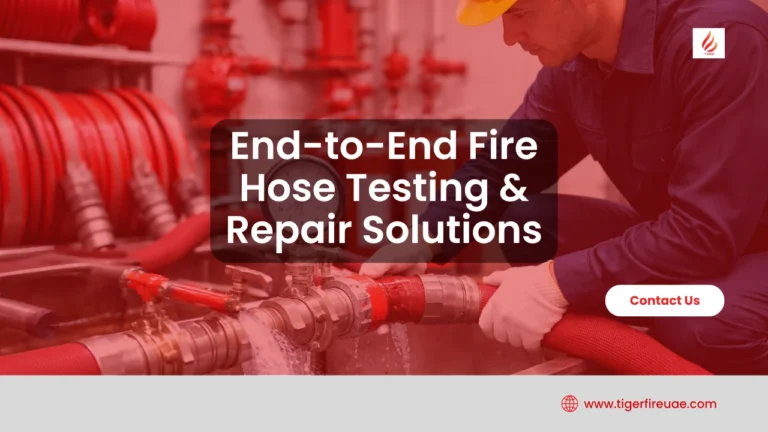
Fire hoses are critical components of any fire protection system. But simply installing them is not enough. Without regular inspection, testing, and maintenance, fire hoses may fail during emergencies. That’s why End-to-End Fire Hose Testing & Repair Solutions are essential for businesses in 2026.
From inspection and hydrostatic testing to repairs and compliance certification, comprehensive fire hose services ensure reliability, safety, and regulatory compliance.
What Are End-to-End Fire Hose Testing & Repair Solutions?
End-to-End Fire Hose Testing & Repair Solutions refer to complete lifecycle services that ensure fire hoses remain functional and compliant.
These services include:
Visual inspection
Hydrostatic pressure testing
Leak detection
Hose repair and recoupling
Drying and storage
Certification and documentation
A full-service approach ensures fire hoses are always ready for emergencies.
Why Fire Hose Testing Matters in 2026
Fire safety standards are evolving rapidly. Authorities and insurance providers are demanding stronger maintenance documentation.
Key reasons comprehensive hose testing is essential:
Stricter Compliance Requirements
Fire authorities now require documented testing reports.
Increased Safety Expectations
Occupant safety is a top priority across industries.
Insurance Compliance
Insurers require proof of maintenance and testing.
High-Risk Infrastructure Growth
Industrial and commercial buildings require advanced fire readiness.
End-to-End Fire Hose Testing & Repair Solutions help businesses meet these expectations.
The Complete Fire Hose Testing Process
1. Visual Inspection
The process begins with a detailed inspection to identify visible damage.
Technicians check for:
Cuts and abrasions
Mold or rot
Coupling damage
Corrosion
Kinks or twists
Early detection prevents failures during testing.
2. Hydrostatic Pressure Testing
Hydrostatic testing is the core component of End-to-End Fire Hose Testing & Repair Solutions.
The hose is filled with water and pressurized to a specified level. It must hold pressure without:
Leaks
Bulging
Structural deformation
Coupling slippage
This confirms operational readiness.
3. Leakage Detection and Analysis
Advanced testing helps identify hidden issues, including:
Micro-leaks
Internal lining damage
Pressure loss points
Detecting hidden faults ensures long-term reliability.
4. Hose Repair and Recoupling
If defects are detected, professional repairs are performed.
Common repair services include:
Recoupling damaged ends
Gasket replacement
Sectional hose repair
Pressure re-testing
Repairs must meet safety standards.
5. Hose Drying and Conditioning
Proper drying is crucial after hydrostatic testing. Moisture left inside hoses can cause:
Mold growth
Internal degradation
Reduced lifespan
Professional drying ensures longevity.
6. Certification and Compliance Documentation
After testing and repairs, hoses receive:
Inspection tags
Compliance certificates
Digital reports
This documentation is essential during safety audits.
Industries That Require Fire Hose Testing
End-to-End Fire Hose Testing & Repair Solutions are essential across multiple industries.
High-risk sectors include:
Industrial facilities
Commercial buildings
Warehouses
Airports and seaports
Oil and gas facilities
Hotels and malls
Healthcare institutions
These environments require strict fire readiness.
Common Fire Hose Problems Identified During Testing
Routine testing often reveals hidden issues such as:
Internal lining deterioration
Burst pressure failure
Corroded couplings
UV damage
Chemical exposure damage
Dry rot
Early detection prevents catastrophic failures.
Benefits of End-to-End Fire Hose Testing & Repair Solutions
A comprehensive approach offers multiple advantages.
Ensures Emergency Readiness
Fire hoses function properly during emergencies.
Maintains Compliance
Helps meet fire safety regulations and standards.
Extends Hose Lifespan
Regular maintenance reduces replacement costs.
Reduces Liability Risks
Prevents safety violations and penalties.
Supports Insurance Claims
Maintenance documentation strengthens claims.
Repair vs Replacement: Making the Right Decision
Not every damaged hose needs replacement.
Repair Is Possible When:
Damage is localized
Pressure integrity can be restored
Couplings are salvageable
Replacement Is Required When:
The hose fails hydrostatic testing
Structural damage is severe
The hose exceeds lifespan
Compliance standards require replacement
Professional evaluation ensures the right decision.
Compliance Standards in 2026
Fire hose testing standards are becoming stricter worldwide.
Compliance expectations include:
Annual hydrostatic testing
Inspection documentation
Certified repair services
Digital compliance records
Traceable maintenance history
End-to-End Fire Hose Testing & Repair Solutions simplify compliance management.
Signs Your Fire Hoses Need Immediate Attention
Watch for these warning signs:
Visible cracks or abrasions
Low pressure during drills
Leaking couplings
Mold or foul odor
Expired inspection tags
Ignoring these signs can lead to system failure.
Technology Advancements in Fire Hose Testing
Modern fire hose testing has evolved significantly.
New innovations include:
Automated pressure testing machines
Digital inspection reports
QR-based hose tracking
Cloud-based compliance logs
Predictive maintenance analytics
These technologies improve accuracy and transparency.
How Often Should Fire Hoses Be Tested?
Recommended testing frequency includes:
Annual hydrostatic testing
Monthly visual inspections
Immediate testing after use
Testing after repairs
High-risk industries may require more frequent inspections.
Choosing the Right Fire Hose Testing Provider
Selecting the right service provider is crucial.
Look for:
Certified technicians
Industry experience
Advanced testing equipment
Compliance expertise
Detailed reporting
Reliable providers ensure accurate results and compliance.
Cost Factors of Fire Hose Testing Services
Costs vary based on several factors:
Hose length and diameter
Number of hoses
Repair complexity
Compliance requirements
Testing frequency
However, preventive testing is far more affordable than emergency failures.
The Future of Fire Hose Maintenance
Fire safety is becoming more data-driven and proactive.
Future trends include:
AI-powered maintenance tracking
Smart fire safety systems
Real-time compliance monitoring
IoT-integrated fire equipment
End-to-End Fire Hose Testing & Repair Solutions will continue evolving with technology.
Conclusion
In 2026, fire safety is about preparedness and reliability. End-to-End Fire Hose Testing & Repair Solutions ensure that one of the most critical firefighting tools remains functional, compliant, and ready for emergencies.
By combining inspection, hydrostatic testing, professional repairs, and compliance documentation, businesses can ensure maximum fire readiness and regulatory compliance.
Investing in comprehensive fire hose testing solutions not only protects assets and occupants but also strengthens compliance, reduces liability, and ensures long-term operational safety.