
Introduction
Fire emergencies can cause significant damage to buildings, equipment, inventory, and valuable assets within minutes. While fire alarms provide early warnings, they do not actively control the fire. This is where fire sprinkler systems play a critical role. Designed to respond automatically when heat is detected, sprinkler systems help suppress fires at their source before they can spread throughout a property.
Whether installed in commercial buildings, warehouses, hotels, hospitals, industrial facilities, or residential complexes, fire sprinkler systems are among the most effective fire protection solutions available today. Understanding how fire sprinkler systems reduce property damage during emergencies can help property owners make informed decisions about fire safety investments and emergency preparedness.
1. What Are Fire Sprinkler Systems?
Fire sprinkler systems are automatic fire suppression systems designed to release water when a specific temperature threshold is reached. Unlike common misconceptions, not all sprinkler heads activate at once. Only the sprinkler closest to the fire typically operates.
Fire sprinkler systems are commonly installed in:
- Office buildings
- Shopping malls
- Warehouses
- Hotels
- Hospitals
- Factories
- Residential towers
These systems provide immediate fire suppression before emergency responders arrive.
2. How Fire Sprinkler Systems Work During Emergencies
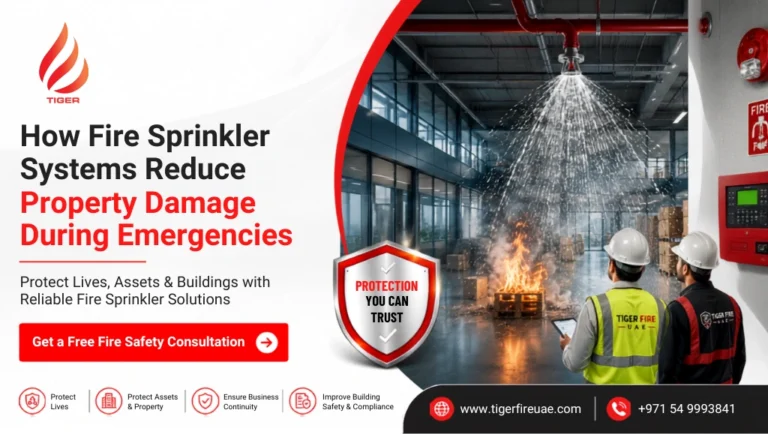
When a fire starts, heat from the flames causes the sprinkler head nearest to the fire to activate. Water is then discharged directly onto the affected area.
The process includes:
- Fire ignition
- Heat buildup
- Sprinkler activation
- Water discharge
- Fire control or suppression
This rapid response helps contain the fire during its earliest stages.
3. Early Fire Control Minimizes Property Damage
One of the biggest advantages of fire sprinkler systems is their ability to control fires before they grow out of control.
Early suppression helps:
- Limit fire spread
- Protect building structures
- Reduce smoke damage
- Minimize repair costs
- Preserve valuable assets
The sooner a fire is controlled, the lower the overall property damage.
4. Protecting Buildings and Infrastructure
Structural damage can be one of the most expensive consequences of a fire emergency. High temperatures can weaken walls, ceilings, steel components, and electrical systems.
Fire sprinkler systems help by:
- Reducing heat exposure
- Protecting structural elements
- Limiting flame spread
- Preserving critical infrastructure
- Supporting faster recovery
This protection can significantly reduce rebuilding costs.
5. Safeguarding Equipment and Valuable Assets
Businesses often rely on expensive equipment, technology, inventory, and machinery to operate effectively.
Fire sprinkler systems help protect:
- Manufacturing equipment
- Office technology
- Data centers
- Inventory and stock
- Essential business assets
Protecting these resources helps maintain business continuity after an emergency.
6. Reducing Smoke and Heat Damage
Even small fires can produce large amounts of smoke and heat, causing extensive secondary damage throughout a building.
Benefits of early sprinkler activation include:
- Reduced smoke production
- Lower temperatures
- Limited soot accumulation
- Protection of interior finishes
- Improved air quality during emergencies
Controlling smoke can be just as important as controlling flames.
7. Supporting Occupant Safety
While property protection is important, life safety remains the primary purpose of any fire protection system.
Fire sprinkler systems improve safety by:
- Slowing fire growth
- Reducing toxic smoke
- Supporting evacuation efforts
- Improving visibility
- Creating safer conditions for occupants
These systems help provide valuable time for people to exit safely.
8. Lowering Business Interruption Risks
A major fire can force businesses to suspend operations for weeks or even months.
Fire sprinkler systems help reduce:
- Operational downtime
- Lost revenue
- Customer disruptions
- Equipment replacement costs
- Recovery timelines
Businesses can often resume operations much faster when fire damage is minimized.
9. Supporting Compliance and Insurance Benefits
Many commercial properties are required to install fire sprinkler systems as part of their fire safety strategy.
Additional benefits include:
- Compliance with fire safety regulations
- Improved risk management
- Enhanced property protection
- Potential insurance advantages
- Greater peace of mind
Insurance providers often recognize the value of effective fire protection measures.
Conclusion
Understanding how fire sprinkler systems reduce property damage during emergencies highlights why they are one of the most valuable investments in fire protection. By responding automatically during the earliest stages of a fire, sprinkler systems help control flames, reduce smoke and heat damage, protect occupants, and minimize the overall impact of fire emergencies.
From safeguarding buildings and infrastructure to protecting inventory, equipment, and business operations, fire sprinkler systems provide comprehensive protection across a wide range of environments. Their ability to suppress fires quickly can significantly reduce repair costs, downtime, and operational disruptions.
For property owners, facility managers, and businesses, installing and maintaining a reliable fire sprinkler system is an essential step toward improving safety, achieving compliance, and protecting valuable assets. When combined with fire alarms, emergency lighting, and regular maintenance, fire sprinkler systems form a critical part of a complete fire protection strategy.